Loss of Cervical Lordosis: What Does It Mean for Your Neck? | Chiropractic First
Loss of cervical lordosis occurs when the natural curve of your neck becomes reduced or straightened. It is often discovered on an X-ray and does not always cause symptoms.
At Chiropractic First in Redding, CA, we help patients understand their spinal health and explore appropriate care options. Here is what you should know about the causes, symptoms, and treatment of this condition.
Understanding loss of cervical lordosis
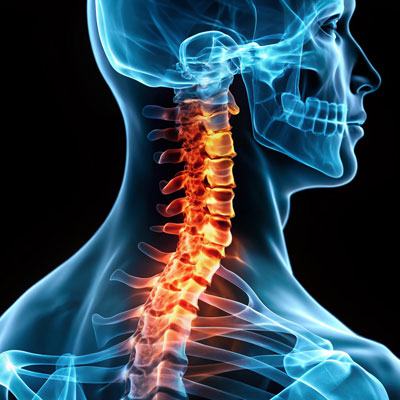
Your cervical spine contains seven vertebrae that support your head and allow your neck to move. Normally, it has a gentle inward curve called cervical lordosis.
Loss of cervical lordosis means this natural curve has decreased or become straighter than expected.
Related terms include:
- Straightening of cervical lordosis: A reduced natural neck curve.
- Military neck: An informal term for a straightened cervical spine.
- Cervical kyphosis: A reversal of the normal inward curve.
A straightened neck does not automatically indicate a serious condition. Some people have this finding without pain or other symptoms.
Signs and symptoms of cervical lordosis loss
Loss of cervical lordosis does not always cause symptoms. When discomfort occurs, it may be associated with muscle tension, joint problems, or nerve irritation rather than the curve itself.
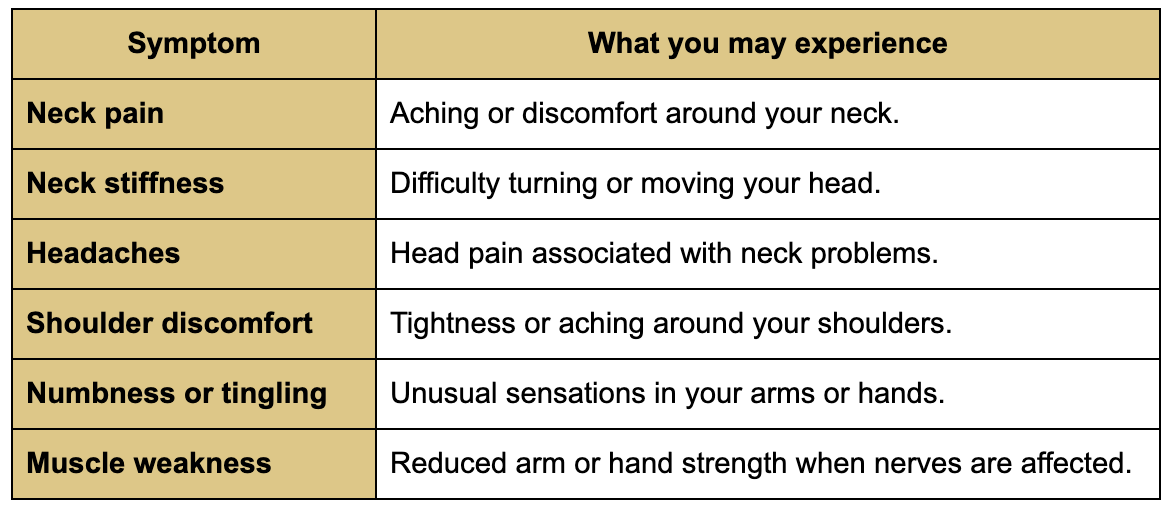
Arm numbness, tingling, or weakness may indicate a pinched nerve in the neck or another condition requiring evaluation.
Common causes of loss of cervical lordosis
Several factors may contribute to changes in cervical spine curvature:
- Poor posture: Prolonged phone or computer use may strain neck muscles. However, forward head posture does not necessarily mean the cervical curve has changed.
- Muscle tension and positioning: Tight muscles and your position during an X-ray can influence how the neck curve appears.
- Neck injuries: Whiplash, sports injuries, or sudden impacts may affect cervical alignment and movement.
- Age related changes: Disc degeneration and arthritis can influence the shape and flexibility of your cervical spine.
- Structural spinal conditions: Fractures, spinal deformities, or changes following surgery may alter the natural curve.
Identifying the underlying cause helps determine whether treatment is necessary.
How loss of cervical lordosis is diagnosed
Diagnosis involves reviewing your symptoms, examining your neck, and using imaging when appropriate.
- Medical history: Your healthcare professional reviews symptoms, previous injuries, and daily activities.
- Physical examination: Neck movement, muscle strength, sensation, and reflexes may be assessed.
- Cervical spine X-ray: Imaging can show the shape and alignment of your cervical curve.
- MRI: Additional imaging may be recommended when nerve or spinal cord problems are suspected.
Imaging decisions depend on your symptoms and clinical findings. A reduced cervical curve on an X-ray does not automatically explain neck pain or mean treatment is necessary.
Treatment options for loss of cervical lordosis
Treatment depends on your symptoms and the underlying cause. People without symptoms or concerning spinal conditions may not need treatment specifically for the reduced curve.
Posture changes and corrective exercises
Improving daily habits and strengthening neck muscles may help reduce discomfort.
Common approaches include:
- Posture awareness: Keep screens near eye level and avoid prolonged awkward positions.
- Gentle neck exercises: Maintain comfortable movement without forcing stretches.
- Strengthening exercises: Support the muscles around your neck and upper back.
- Movement breaks: Change positions regularly during prolonged sitting.
Exercises should match your symptoms and physical condition.
Chiropractic care and Chiropractic BioPhysics
Chiropractic care may help manage certain types of neck pain and improve movement in appropriately selected patients.
At Chiropractic First, we use Chiropractic BioPhysics (CBP) to assess spinal posture, alignment, and movement when developing individualized care plans.
Depending on your condition, treatment may include chiropractic adjustments, corrective exercises, and other appropriate techniques.
However, symptom improvement does not necessarily mean the cervical curve has changed, and structural correction cannot be guaranteed.
Cervical traction and other treatment options
Cervical traction applies a controlled pulling force to the neck. It may be included in rehabilitation programs for selected patients, although evidence for lasting changes in cervical curvature remains limited.
Other options include physical therapy, medication, or specialist care when necessary.
Surgery is generally reserved for specific underlying conditions, such as serious spinal cord compression or instability, rather than a reduced neck curve alone.
Can loss of cervical lordosis be reversed?
Loss of cervical lordosis may improve with appropriate care, depending on the underlying cause and individual condition.
Recovery depends on the underlying cause, whether the change is temporary or structural, and the condition of your spinal discs and joints.
Some rehabilitation programs may improve posture, movement, or cervical alignment in selected patients.
However, improving the curve does not always mean reducing pain. Treatment should focus on your symptoms, mobility, and overall spinal health.
When to seek medical attention
Persistent or worsening neck pain should be evaluated, especially when symptoms interfere with daily activities.
Seek urgent medical attention if you experience:
- Progressive weakness: Increasing weakness in your arms or legs.
- Balance problems: New difficulty walking or maintaining balance.
- Loss of coordination: Difficulty controlling hand movements.
- Severe pain after trauma: Significant neck pain following an accident.
- Bladder or bowel changes: New loss of control, especially with neurological symptoms.
These signs may indicate a serious condition requiring prompt evaluation.
Supporting cervical spine health at Chiropractic First
Loss of cervical lordosis does not always indicate a serious problem. Understanding your symptoms and the underlying cause is essential when considering treatment.
At Chiropractic First in Redding, CA, we evaluate spinal posture and movement to explore appropriate care options, including chiropractic care, Chiropractic BioPhysics, and corrective exercises.
If you have concerns about your neck curve or ongoing discomfort, contact us to discuss an evaluation.
Frequently asked questions about loss of cervical lordosis
Is loss of cervical lordosis serious?
Not always. Some people have a reduced neck curve without symptoms. Its significance depends on the underlying cause and examination findings.
Can loss of cervical lordosis cause headaches?
Headaches may occur alongside neck problems, but a reduced cervical curve alone does not establish the cause.
What happens if loss of cervical lordosis is left untreated?
Some people remain symptom free and need no treatment. Others may require care for an underlying spinal condition.
What is the best sleeping position for loss of cervical lordosis?
Sleeping on your back or side with a supportive pillow may help keep your neck comfortable.
Can a chiropractor help with loss of cervical lordosis?
Chiropractic care may help manage certain types of neck pain and stiffness but cannot guarantee restoration of the cervical curve.