Pinched Nerve in The Neck: Symptoms, Causes and Treatment | Chiropractic First
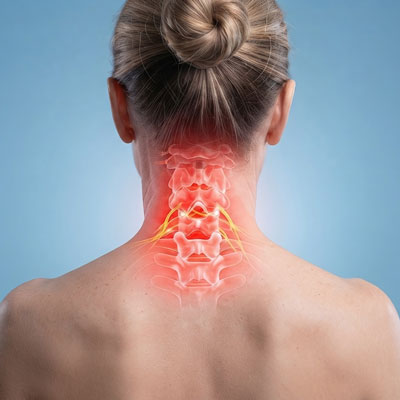
A pinched nerve in the neck happens when a nerve in the cervical spine becomes irritated or compressed. It can cause neck pain along with pain, tingling, numbness, or weakness that travels into the shoulder, arm, or hand.
At Chiropractic First in Redding, CA, we evaluate neck symptoms to understand what may be causing them and whether conservative care is appropriate.
What are the symptoms of a pinched nerve?
Symptoms can vary depending on which nerve is affected and how much irritation is present.
Common symptoms include:
- Neck pain or stiffness
- Pain around the shoulder or shoulder blade
- Sharp or burning pain that travels down the arm
- Tingling or a pins and needles feeling
- Numbness in the arm, hand, or fingers
- Weakness in the shoulder, arm, or hand
- Symptoms that change with certain neck movements
Tingling, numbness, or weakness are especially important to notice because they may point to nerve involvement rather than muscle soreness alone. However, these symptoms do not confirm a pinched nerve by themselves. Problems involving the shoulder, elbow, or wrist can sometimes cause similar symptoms.
What causes a pinched nerve in the neck?
A nerve can become irritated when a disc or other structure in the cervical spine reduces the space around it. Common causes of a pinched nerve in the neck include:
- Herniated or bulging discs. The discs between your vertebrae help cushion the spine. When part of a disc pushes outward, it can irritate or put pressure on a nearby nerve.
- Age related changes. Discs can lose height and become stiffer over time. Changes in the joints and bones can also reduce the space around a nerve.
- Bone spurs. Extra bone may develop around areas of the spine affected by wear. A bone spur can contribute to narrowing around a nerve.
- Narrowing around a nerve. The openings where nerves leave the cervical spine can become smaller, leaving less room for a nerve root.
- Neck injuries. An injury may affect a disc or other structures around the nerve.
Daily habits can also affect how your neck feels. Spending long periods looking down at a phone or computer may increase strain around the neck. Poor posture and forward head posture can also make existing neck discomfort more noticeable.
What can you do at home for a pinched nerve in the neck?
Mild symptoms may improve with simple changes that reduce irritation and keep the neck in comfortable positions.
Keep moving within a comfortable range
You usually do not need to keep your neck completely still. Gentle daily movement can help you avoid becoming stiff. Avoid movements that clearly increase pain, tingling, or numbness.
Change positions regularly
Sitting in one position for hours can make neck discomfort worse. Take movement breaks during work, driving, or long periods of screen use.
Adjust your screen and phone position
Bring your screen closer to eye level when possible. This can reduce the amount of time you spend with your head bent forward and down.
Check your sleeping position
Try to keep your head and neck in a comfortable position while you sleep. Avoid positions that consistently make symptoms worse.
Your pillow also affects how your neck is positioned during the night. A pillow that is too high or too low can leave the neck in an uncomfortable position for hours. Choosing a pillow that supports your sleeping position may help keep your neck more comfortable.
Avoid aggressive neck stretching
Do not force your neck through a stretch or twist if it sends pain, tingling, or numbness farther into your arm or hand. A movement that makes neurological symptoms worse is not something to push through.
Home remedies can help manage mild symptoms, but they cannot tell you what is irritating the nerve.
When should you see a doctor?
An occasional stiff or sore neck may settle with activity changes and time. Symptoms involving a nerve deserve more attention when they persist or keep returning.
Consider getting evaluated if:
- Pain regularly travels from your neck into your shoulder or arm
- Tingling or numbness does not improve
- Symptoms keep coming back
- Pain affects sleep, work, or daily activities
- Home remedies are not helping
Some symptoms require more prompt medical attention. Seek medical care if you develop increasing weakness in your arm or hand, trouble walking or balancing, or loss of coordination.
Significant neurological symptoms following a neck injury should also be evaluated promptly. Changes in bowel or bladder control together with neurological symptoms require urgent medical attention.
How Chiropractic First evaluates your symptoms
At Chiropractic First, the evaluation looks at your symptoms, posture, and spinal alignment to identify what may be contributing to your neck pain.
Depending on your symptoms, the evaluation can include:
- Reviewing your symptoms. This includes where the pain starts, where it travels, and whether you notice tingling, numbness, or weakness.
- Looking at posture and spinal alignment. Chiropractic First uses Chiropractic BioPhysics® (CBP), which focuses on posture and the structure of the spine.
- Assessing how your neck and spine are functioning. This helps identify areas that may be contributing to pain or irritation.
- Building a care plan based on your findings. When appropriate, care may include chiropractic adjustments, traction, exercises, or spinal decompression.
Finding the right next step
A pinched nerve in the neck may cause pain, tingling, numbness, or weakness that extends beyond the neck itself. Mild symptoms may improve with changes to your daily positions, screen habits, sleep setup, and activity.
Persistent numbness, recurring pain, or weakness should not be ignored. An evaluation can help identify what may be irritating the nerve and determine which type of care makes sense.
Chiropractic First provides conservative chiropractic and posture focused care in Redding, CA. If your symptoms continue despite changes at home, contact us to discuss the next step.
Frequently asked questions
Can a pinched nerve in the neck go away on its own?
Yes. Some cases improve with time and conservative care. Recovery depends on the cause and severity of the nerve irritation.
How long does a pinched nerve in the neck last?
There is no single recovery time. Mild cases may improve sooner, while ongoing nerve irritation can take longer to settle.
How can you tell a pinched nerve from a pulled neck muscle?
A pulled muscle usually causes local pain or tightness. A pinched nerve is more likely to cause pain, tingling, numbness, or weakness that travels into the arm or hand.
Can a pinched nerve in the neck cause headaches?
Neck problems can occur with headaches, but headaches have many possible causes. A headache alone does not confirm a pinched nerve.
Can a pinched nerve cause numbness in the fingers?
Yes. Irritation of a nerve in the neck can cause numbness or tingling that reaches the hand or fingers.