Pickleball Injuries in Redding: Elbow, Shoulder, Knee, and Back Mistakes Players Make
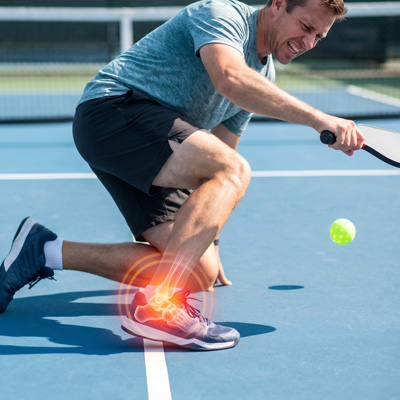
Pickleball is one of the most fun ways to stay active in Redding, and it is easy to see why it is the fastest-growing sport in the country. But all that quick movement can take a toll on your body. Pickleball injuries in Redding are becoming more common as more players of all ages hit the court. The good news is that most of these injuries come from a few simple mistakes. In this guide, we look at the most common pickleball injuries to the elbow, shoulder, knee, and back, the mistakes that cause them, and easy ways to stay safe.
Why Pickleball Injuries Are Increasing
The number of pickleball players continues to rise across California, including here in Redding. Because pickleball is played on a smaller court with a lightweight paddle and plastic ball, many people assume it is low risk.
However, pickleball can also place significant demands on the joints, muscles, and tendons. Quick changes of direction, sudden movements, reaching overhead, and repetitive swings can create a higher risk of injury than many players realize.
Older adults are especially prone to injury because natural changes in flexibility, balance, and recovery speed can make the body more vulnerable during physical activity.
The Four Most Common Pickleball Injuries And The Mistakes Behind Them
Most pickleball injuries show up in four places. Here is what each one feels like and the mistake that often causes it.
- Elbow pain. The most common pickleball injury is pain on the outside of the elbow, often called tennis elbow. It usually comes from gripping the paddle too tightly and swinging with poor form, which strains the tendons. Pain on the inner side is sometimes called golfer’s elbow.
- Shoulder pain. Overhead swings and serves can irritate the rotator cuff, the group of muscles around the shoulder. Rotator cuff injuries and bursitis often build up slowly from overuse rather than from one big moment.
- Knee pain. Quick stops and pivots put stress on the knees. Players may feel knee pain from a strain, a tweaked ligament, or an overuse problem like runner’s knee. Old arthritis can also flare up after a long match.
- Back pain. Bending low for soft shots and twisting for returns can strain the lower back, especially without a warmup. Tight muscles and a weak core make back injuries more likely.
Overuse Injuries Versus Acute Injuries
Not all pickleball injuries happen the same way.
Acute injuries occur suddenly during a specific event. Examples include sprained ankles, falls, or sudden muscle strains.
Overuse injuries develop gradually. These injuries result from repeated stress without adequate recovery.
Examples include:
- Tennis elbow
- Tendinitis
- Shoulder irritation
- Knee pain
- Chronic back discomfort
Many common injuries seen in pickleball players are actually overuse injuries rather than traumatic accidents.
Learning to recognize early symptoms can help prevent injuries before they become more serious.
How To Prevent Pickleball Injuries
You do not have to stop playing to stay healthy. A few simple habits can help prevent pickleball injuries and keep you on the court.
- Warm up first. Try arm circles and walking lunges to wake up your muscles before you play.
- Stretch before and after. Gentle stretching keeps your joints loose and lowers your risk of injury.
- Build strength. Stronger legs, core, and shoulders protect your joints during play.
- Use good form. Ask an experienced player or coach to check your technique and grip.
- Listen to your body. If something hurts, take a break and rest before it gets worse.
Staying active is great for your health, so the goal is to play smart, not to stop.
Simple Recovery Tips For A Pickleball Injury
If you do tweak something on the court, a little care at home goes a long way. These recovery tips help most mild aches and pains:
- Rest the area. Give the sore joint a few days off from play.
- Use ice. Ice for 15 to 20 minutes can calm swelling in the first day or two.
- Move gently. Light, gentle stretching keeps the joint from getting stiff once the sharp pain fades.
- Ease back in. Return to play slowly, and stop if the pain comes back.
If the pain does not improve after a week or two, it is time to have it checked.
How Chiropractic Care May Help Active Pickleball Players
If a pickleball injury is slowing you down, the right care helps you heal and return to the game safely. Recovery often starts with rest, ice, and gentle stretching, then moves to building strength so the injury does not come back. Chiropractic care may help improve spinal alignment, restore healthy movement, reduce stress on the joints, and support the body’s natural healing process. For active people, that can mean getting back on the court sooner. Some players also benefit from spinal rehabilitation exercises that help improve strength, stability, and movement.
Dr. Todd Royse, DC, understands active patients in a way few do. He is the only CBP certified chiropractor in Redding, with more than 25 years of experience, and he is a lifelong athlete who has finished IronMan triathlons. That mix of training and real-world experience makes him a trusted guide for sports injuries.
At Chiropractic First, the team offers chiropractic care and sports chiropractic to help Redding players stay active and feel their best. If pickleball has left you sore, a simple visit can point you toward relief.
Final Thoughts
Pickleball injuries in Redding are becoming more common as participation continues to grow.
Many common pickleball injuries result from preventable mistakes such as skipping a warmup, ignoring symptoms, using poor technique, or returning to play too quickly.
By focusing on proper preparation, listening to your body, and seeking appropriate care when needed, players can reduce their risk of injury and continue enjoying the sport for years to come.
The goal is not just to recover from injuries. It is to stay active, stay safe, and keep doing the activities you love.
Common Questions About Pickleball Injuries
What is pickleball elbow?
Pickleball elbow is pain on the outside of the elbow from overuse. It often comes from gripping too hard and using poor form.
How long do pickleball injuries take to heal?
Many mild injuries feel better in one to three weeks with rest and gentle care. Bigger injuries can take longer, so it helps to get checked.
Can I keep playing with a sore joint?
It is best to rest first. Playing through pain often makes the injury worse and slows your recovery.
How can I prevent pickleball injuries?
Warm up, stretch, use good form, and listen to your body. Building strength in your legs, core, and shoulders also lowers your risk.